
kothari vrat importance
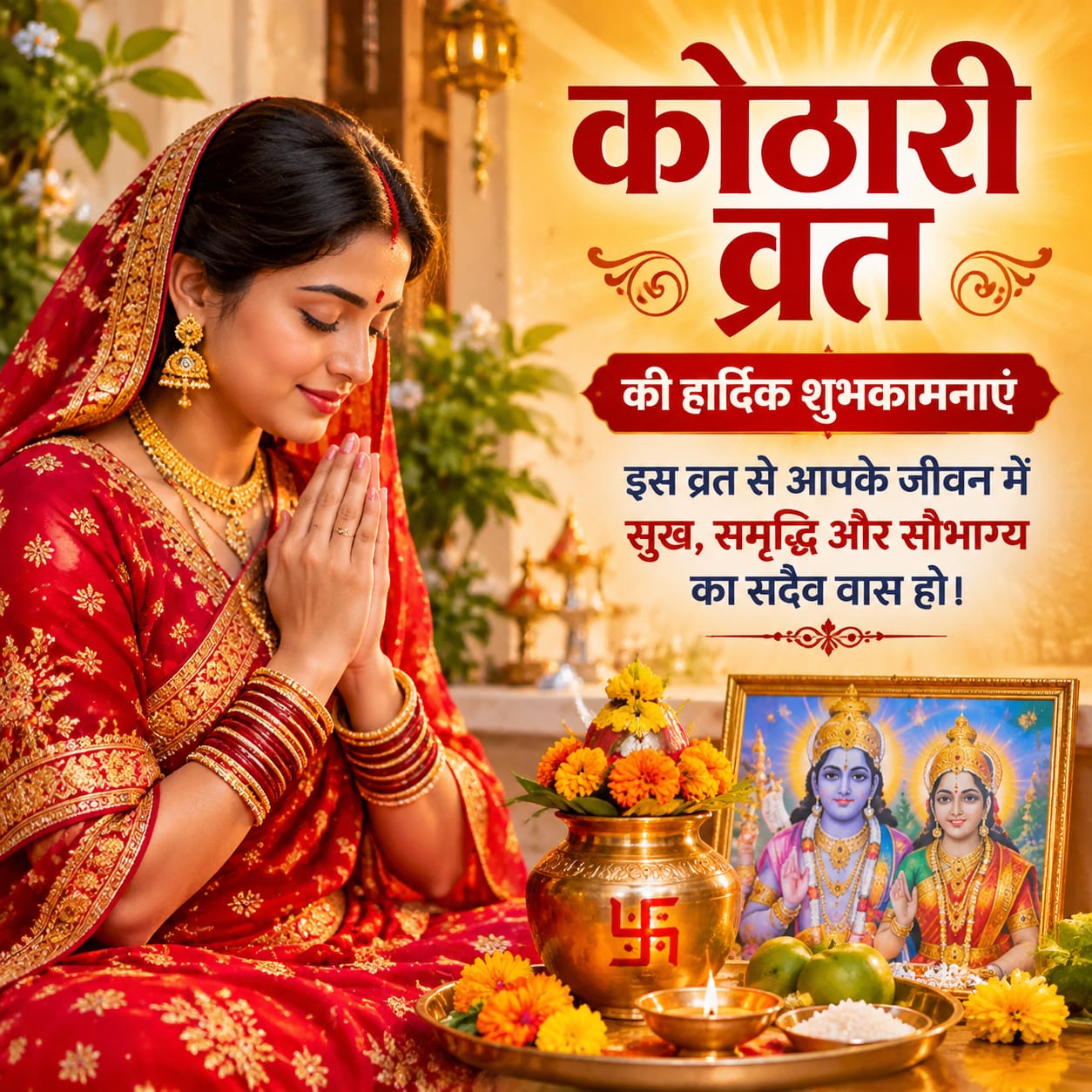
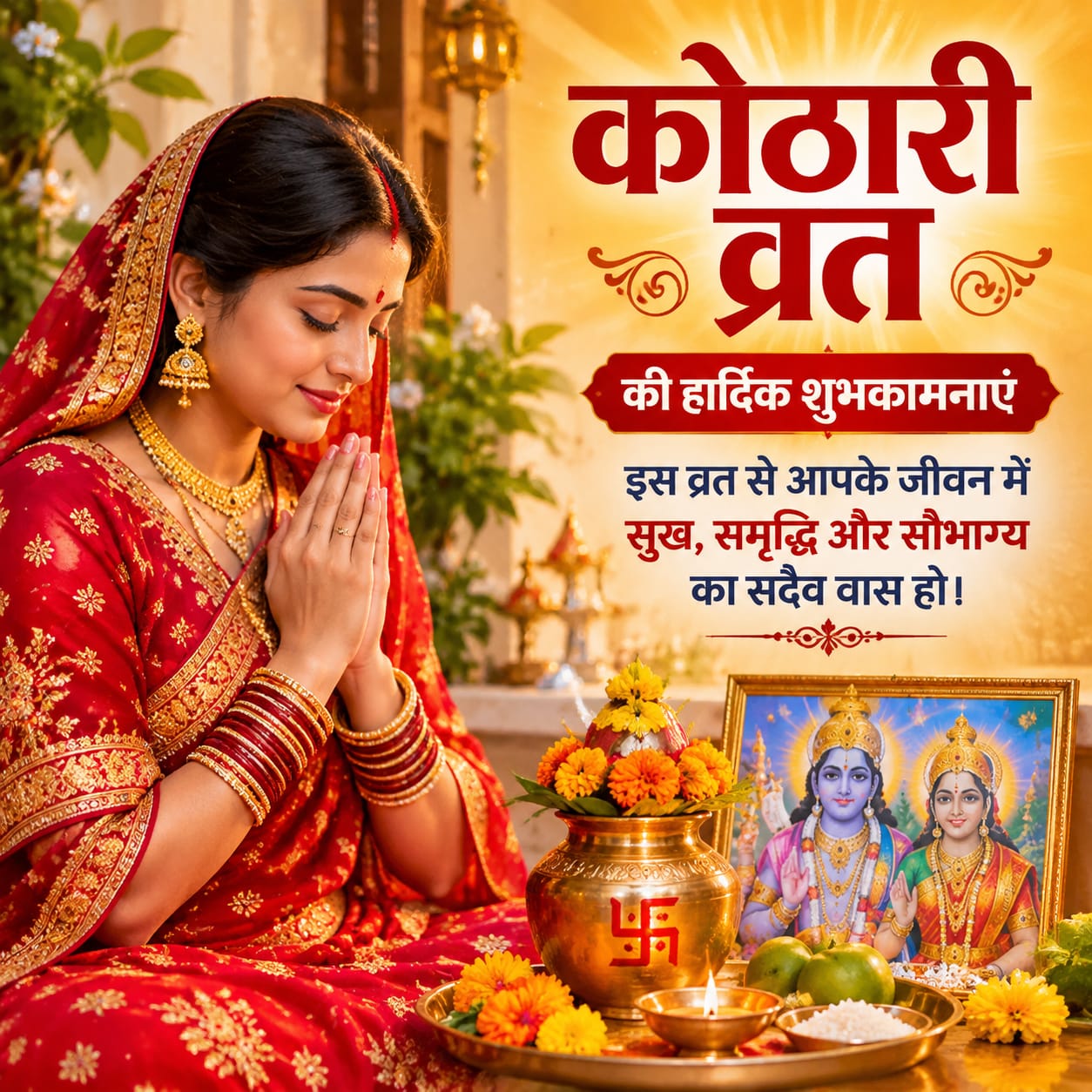
The Kothari Vrat (also known as the Kothiyan/Kothari Wala Vrat) is a traditional ritual and fast observed primarily on Kartik Purnima (and sometimes linked with Gurunanak Jayanti or Ganga Snan). It is a cherished custom predominantly followed in certain communities (such as the Multani and Punjabi traditions).
Importance & Significance
Family Prosperity and Well-being: Married women observe the fast—similar in spirit to Karwa Chauth—to pray for their husband's long life, marital harmony, and the overall happiness of the household.
• Symbol of a Permanent Home and Abundance: Building small miniature clay or flour structures called Kotharis (rooms/storehouses) and placing grain, sweets, green leafy vegetables (or radish leaves) inside symbolizes a prayer to the divine that the family's home, hearth, and storehouses remain forever filled with wealth, food, and light.
• Wishes and Fulfillment: The underlying legend (often associated with Rai Damodar or Lord Shiva and Goddess Parvati) centers around faith, truth, and the divine fulfillment of earnest family desires
Key Rituals
• Timing: Observed on Kartik Purnima, often starting early in the morning during the twilight/star-lit hours (taroon ki chhaon) and concluding with evening worship.
• Making the Kotharis: Devotees construct small clay or symbolic kotharis (rooms) in the courtyard, near the Tulsi plant, or at a clean space, lighting small oil lamps (diyas) inside them.
Offerings: Grains, sweets, and greens are placed on or around the kotharis along with a water vessel (lota) sweetened with a bit of jaggery or sugar, followed by listening to or reciting the traditional Kothari Vrat Katha (such as the Rai Damodar / cat-related legend).